

RAM Auctions
Buy DDR4, DDR5, and server ECC memory at auction. Browse surplus and decommissioned RAM lots, bid online, and get your memory shipped or picked up fast.
RAM Auctions
Buy DDR4, DDR5, and server ECC memory at auction. Browse surplus and decommissioned RAM lots, bid online, and get your memory shipped or picked up fast.
Computer RAM Auctions
RAM is the short-term memory your computer uses to run applications, handle active processes, and move data quickly between the processor and storage. More of it means faster multitasking, smoother application performance, and greater capacity for demanding workloads. DDR4 remains the standard across millions of business desktops, laptops, and servers still in active use. DDR5 brings higher speeds and greater bandwidth for newer platforms and is now standard in current-generation workstations and servers. ECC memory adds error-correcting capability critical for servers, workstations, and any environment where data integrity matters. ATR Auctions has DDR4 and DDR5 desktop, laptop, and server RAM in stock sourced from enterprise environments, available now through competitive online bidding. Whether you are upgrading a single workstation or stocking an entire lab, our lots give you access to commercial-grade memory at auction prices.
Sourced, Tested, Auctioned
RAM is the short-term memory your computer uses to run applications, handle active processes, and move data quickly between the processor and storage. More of it means faster multitasking, smoother application performance, and greater capacity for demanding workloads. DDR4 remains the standard across millions of business desktops, laptops, and servers still in active use. DDR5 brings higher speeds and greater bandwidth for newer platforms and is now standard in current-generation workstations and servers. ECC memory adds error-correcting capability critical for servers, workstations, and any environment where data integrity matters. ATR Auctions has DDR4 and DDR5 desktop, laptop, and server RAM in stock sourced from enterprise environments, available now through competitive online bidding. Whether you are upgrading a single workstation or stocking an entire lab, our lots give you access to commercial-grade memory at auction prices.
What Comes Through Our Memory Auctions
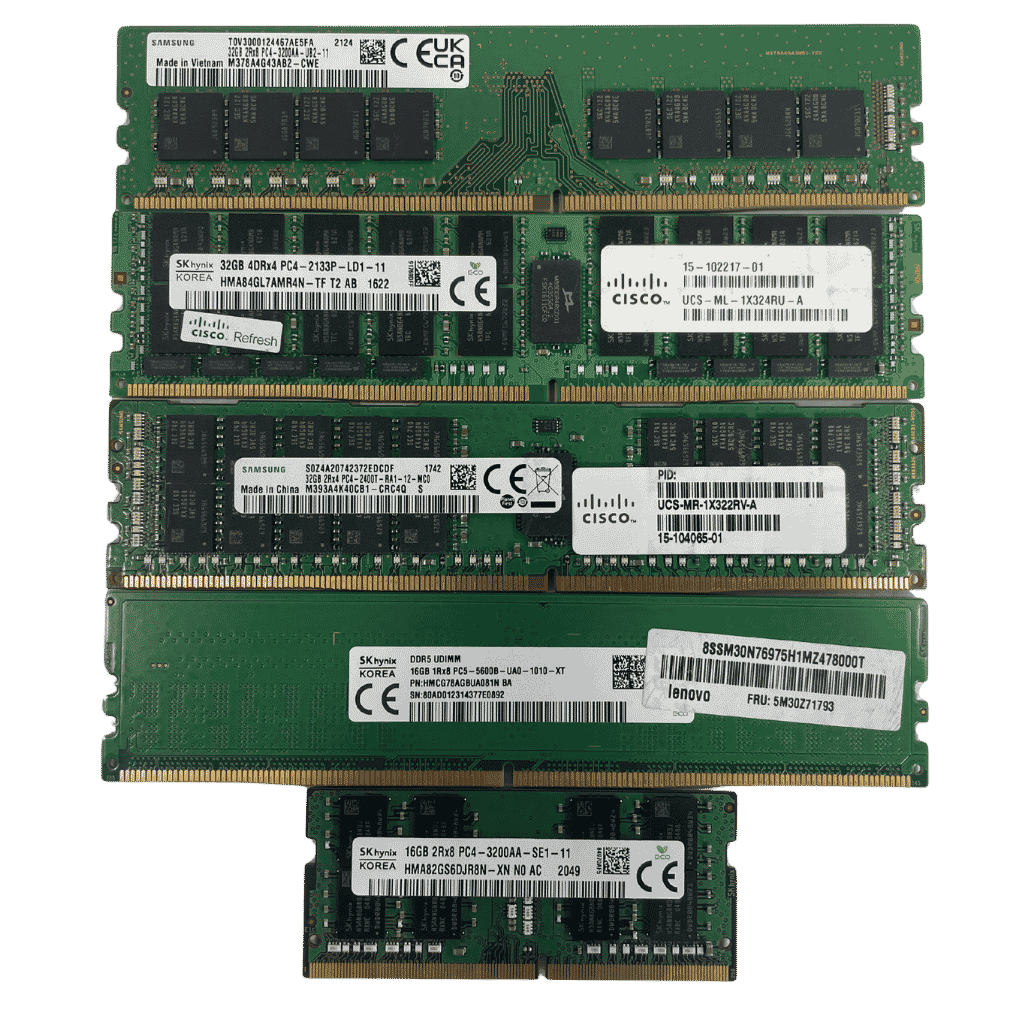
Inventory spans desktop, laptop, and server memory pulled from active enterprise environments. On the desktop side that means DDR4 and DDR5 DIMMs in a range of speeds and capacities sourced from corporate workstation refreshes and office cleanouts. Laptop memory lots include DDR4 and DDR5 SO-DIMMs pulled from commercial notebook and ultrabook deployments. Server memory inventory includes ECC registered DIMMs, LRDIMMs, and high-capacity modules from rack servers, blade systems, and storage platforms. Kits, singles, and bulk lots come through regularly, covering common capacities like 8GB, 16GB, 32GB, and 64GB modules as well as higher-capacity server sticks. Whether you are upgrading a single workstation, outfitting a lab, expanding server capacity, or sourcing resale inventory, the lots reflect real hardware turnover from environments that purchased, deployed, and maintained this memory at scale.
Who Buys RAM at Auction
The buyer pool for memory auctions is broad because the use cases are broad. Regional resellers and IT asset brokers source bulk module lots for remarketing across retail and wholesale channels. Small and mid-sized businesses pick up DDR4 and DDR5 desktop and server memory at a fraction of retail to upgrade workstations and expand server capacity without new equipment pricing. Schools, nonprofits, and community organizations use auctions to stretch tight technology budgets further than any retail or refurbished channel allows. Repair shops and independent technicians bid on mixed lots and matched kits to keep common upgrade inventory on the shelf. System integrators and managed service providers source spare modules and replacement memory without committing to distributor pricing. And individual builders and enthusiasts bid on performance kits and high-capacity sticks to upgrade personal systems or home lab environments. The auction format puts all of them on equal footing, bidding against the same lots with the same access to lot information.
Where does the RAM come from?
ATR sources memory directly from businesses, government offices, healthcare networks, universities, and enterprise environments cycling out commercial-grade hardware. Memory comes through a certified intake process, not opportunistic pickups, so the sourcing is consistent and traceable.
What types of RAM are available at auction?
Lots regularly include DDR3, DDR4, and DDR5 desktop DIMMs, laptop SO-DIMMs, server ECC RDIMMs and LRDIMMs, unbuffered UDIMMs, high-capacity server modules, matched dual and quad channel kits, workstation memory, and bulk mixed lots sourced from corporate and enterprise hardware disposals.
Is used RAM reliable?
Yes, RAM is one of the most reliable components to buy used. Unlike mechanical drives or batteries, memory has no moving parts and does not degrade with normal use. Modules pulled from enterprise environments are typically lightly used, well maintained, and in many cases were running in temperature-controlled data center conditions. ATR puts inventory through a certified intake process before it reaches auction.
What should I check before bidding on a RAM lot?
The three things that matter most are generation, form factor, and speed. Your motherboard or server platform will specify which DDR generation it supports, whether it needs a full-size DIMM or a SO-DIMM, and the maximum speed it can run. ECC versus non-ECC compatibility also matters, particularly for server and workstation platforms. Review the lot details carefully and cross-reference against your system's specifications before placing a bid.
Can I mix RAM from different lots in the same system?
In most cases you can run modules of the same generation and form factor together, but mixing speeds, capacities, and brands can cause instability or force the system to run all modules at the lowest speed present. For best results, matched kits from the same lot are always preferable. If you are building out a server or workstation that requires specific configurations, look for lots that specify matched pairs or identical module sets.
What is the difference between ECC and non-ECC memory?
ECC memory includes extra chips that detect and correct single-bit memory errors in real time, preventing data corruption and unexpected crashes. It is required in most enterprise servers and professional workstations where uptime and data integrity are critical. Non-ECC memory does not have this capability and is standard in consumer desktops, laptops, and gaming systems. The two types are not interchangeable, so confirming which your platform requires before bidding is important.
DDR3, DDR4, & DDR5 Ram Auctions
-
4GB DDR4 Laptop RAM Lot – Mixed Brands & Speeds – 4,202 Units
Winning Bid: $50,424.00 -
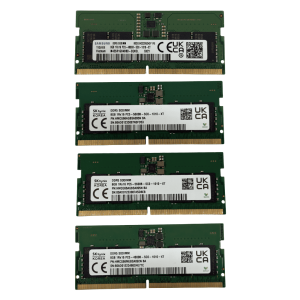
8GB DDR5 Server RAM Lot – SK Hynix & Samsung – 199 Units
Winning Bid: $9,466.00 -
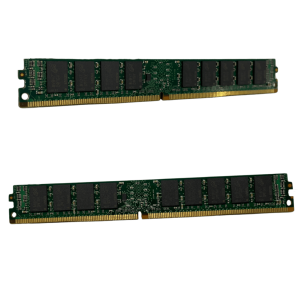
Cisco 1PEM3-MEM-32G= 32GB DDR4-2400 VLP Server Memory RAM – New in Box – Lot of 111
Auction Expired -
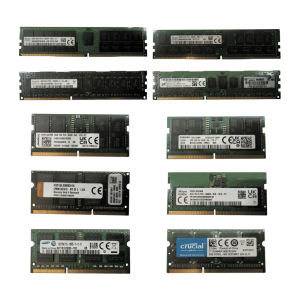
Mixed Memory Lot – DDR3 DDR4 DDR5 DIMM SODIMM RAM – 1,712 Units
Winning Bid: $42,089.00 -
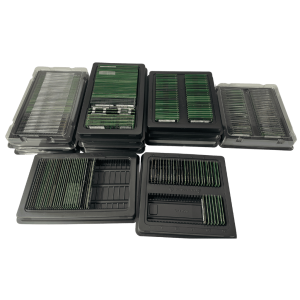
Mixed RAM Memory Lot – DDR3 DDR4 DDR5 Server, Desktop & Laptop RAM – 508 Units
Winning Bid: $7,325.00 -
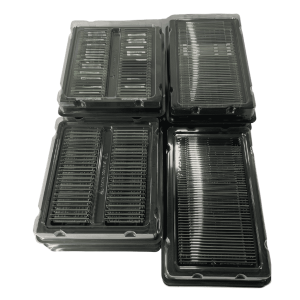
Mixed RAM Memory Lot – Server, Desktop & Laptop DDR3/DDR4/DDR5 – 596 Units
Winning Bid: $8,600.00 -
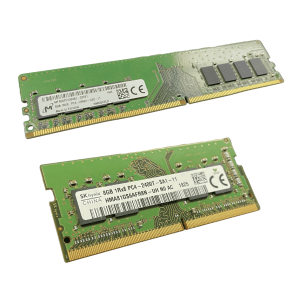
SOLD – Mixed DDR3 / DDR4 RAM Auction Lot – Laptop, Desktop & Server Memory – 1,674 Units
Winning Bid: $25,741.00 -
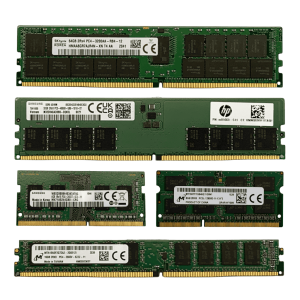
SOLD – Mixed RAM Lot – 1,004 Units – DDR3/DDR4/DDR5 – 4GB-64GB – PC3/PC4/PC5 – Tested Bulk Memory
Winning Bid: $8,500.00
RAM Auctions - Start Bidding view current auctions and register.