Environmental Impact

ATR operates seven R2v3 and RIOS certified facilities nationwide and we’ve been providing ITAD/ITAM services since 1992. Every asset that comes through ATR is evaluated for reuse before anything moves to recycling. Equipment that qualifies for remarketing is renewed and listed via e-Commerce sales channels. What cannot is processed through certified downstream partners under R2v3 standards with full chain of custody documentation. The result is verified landfill diversion, documented material recovery, and traceable disposition records for every asset regardless of outcome.

Improper Disposal
Certified Recycling

 Responsible Electronics Recycling and IT Asset Disposition

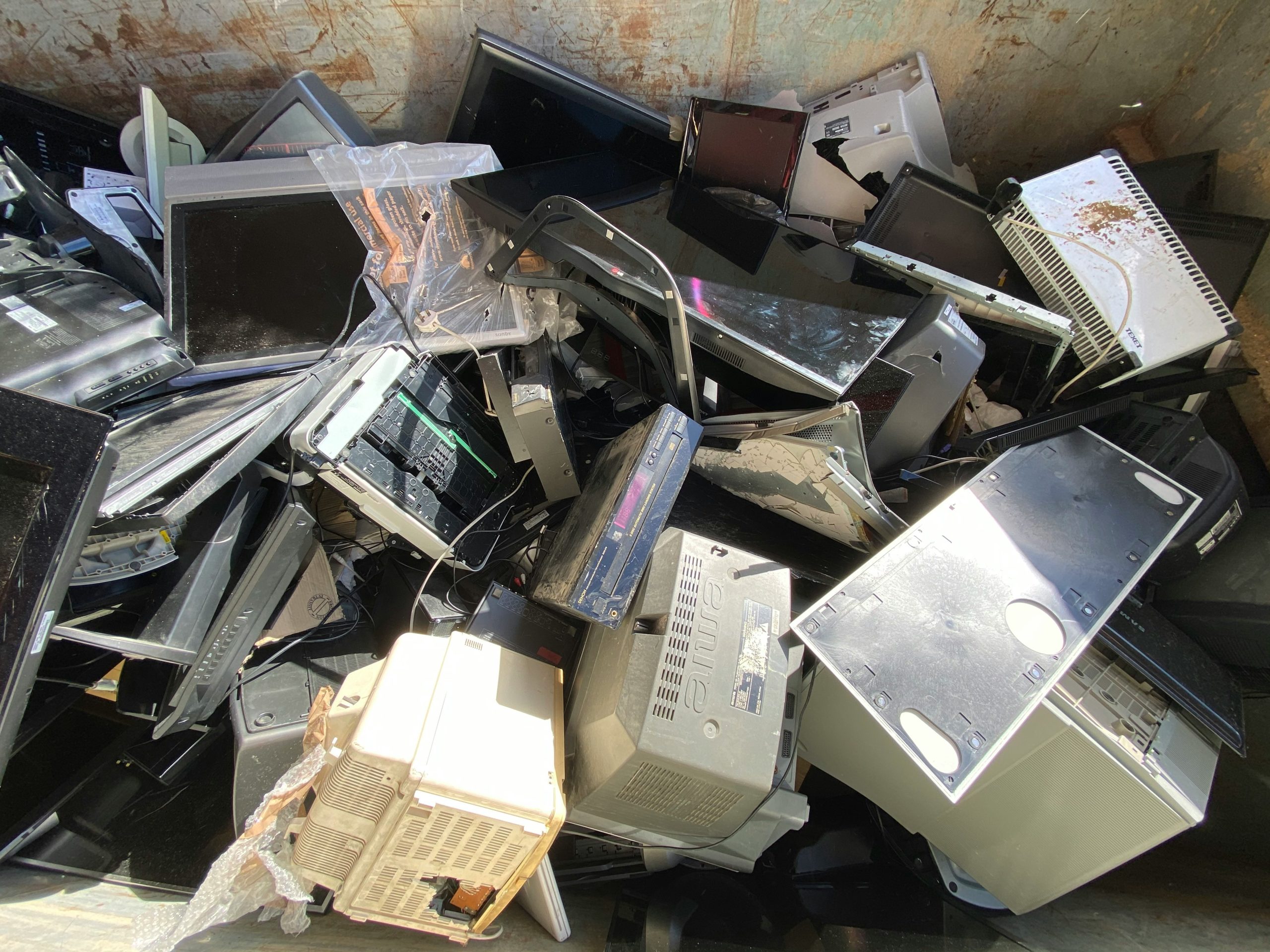
For non-certified organizations managing end-of-life IT equipment, the disposal chain is rarely transparent and the environmental consequences of improper handling are significant. E-waste contains lead, mercury, cadmium, beryllium, and brominated flame retardants that migrate into soil and groundwater when landfilled and release dioxins and heavy metal particulates when incinerated. Global e-waste generation exceeded 62 million metric tons in 2022 and less than 23 percent was handled through certified processes. ATR helps customers make informed, environmentally responsible decisions at the point where responsible handling matters most. Through certified recycling, verified data destruction, documented chain of custody, commodity recovery, and qualified reuse channels like ATR Auction, we keep assets in circulation, reduce waste, and create local jobs by renewing in America.

E-Waste Recycling

E-waste is electronics at end of life. When it enters the general waste stream it is landfilled, incinerated, or exported for informal processing. ATR diverts IT equipment from all three outcomes through certified recycling and remarketing before disposal is ever considered.

Certified Electronics Recycling

R2v3 is the current benchmark standard for responsible electronics recycling. It requires asset tracking from intake to downstream disposition and audited downstream partners. ATR operates under R2v3 certification across all facilities.

Landfill Diversion

Electronics in landfill release lead, mercury, and cadmium into surrounding soil and groundwater over time. ATR diverts assets from landfill through reuse and certified recycling. Documentation of diversion is provided for every asset processed.

IT Asset Disposition

ITAD is the structured process of retiring IT equipment in a way that addresses environmental compliance and asset value recovery. Equipment processed through ATR is evaluated for reuse first. Assets that meet functionality standards are listed through ATR Auction before anything moves to recycling.

Electronics Remarketing

Remarketing functional IT equipment extends its usable life and delays new manufacturing demand. Every asset listed through ATR Auction has been tested and graded by the facility that processed it.

Circular Economy

The circular economy model keeps products in use as long as possible before recovering materials at end of life. ATR Auction is the remarketing component of that model for IT equipment. Equipment that still functions goes back into productive use instead of entering the waste stream.

ESG and Sustainable IT Purchasing

Organizations with sustainability commitments increasingly account for the environmental impact of IT purchasing decisions. Buying refurbished equipment extends the lifecycle of existing hardware and reduces demand for new manufacturing, both of which are relevant to Scope 3 emissions accounting.

Material Recovery

Electronics contain recoverable copper, aluminum, steel, gold, silver, palladium, and engineered plastics. Recovering these through certified recycling requires significantly less energy than primary extraction. Recycling aluminum alone uses roughly 5 percent of the energy required to produce it from raw ore.